Grande Comore, Home of Mount Karthala
Volcanic landscapes, historic medinas, dolphin encounters, secluded beaches and authentic island life.
Discover the most spectacular island in the Comoros with the people who know it best.
A place where every road leads to a new adventure.
Imagine watching the sunrise from the slopes of Mount Karthala. A few hours later, you’re wandering through the winding streets of Moroni’s historic medina before heading out to sea in search of dolphins in the turquoise waters of the Indian Ocean.
On Grande Comore, the scenery changes constantly. Volcanoes, tropical forests, traditional villages and wild beaches coexist within a surprisingly compact island.
This extraordinary diversity makes Ngazidja the perfect introduction to the Comoros archipelago.
- 2361 m The summit of Mount Karthala dominates the entire island.
- 1148 km² The largest island in the Comoros archipelago.
- 50 km Separate the northern beaches from the slopes of Karthala.
- 8 Signature experiences offered by ComTour.
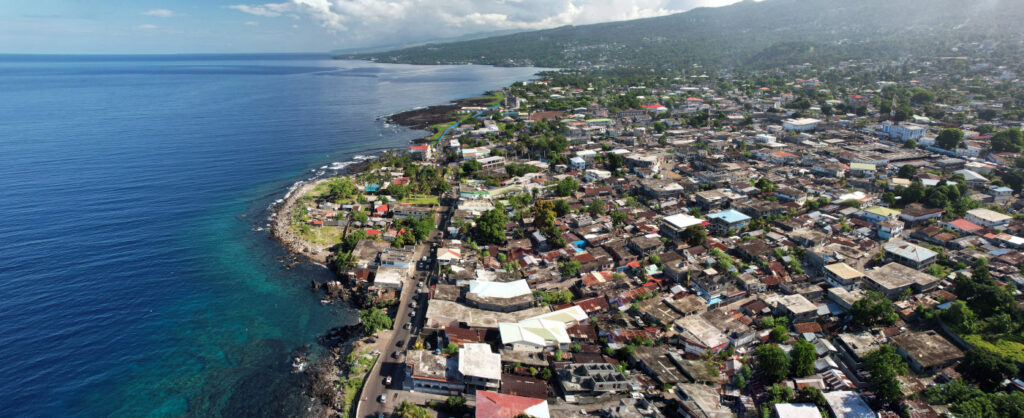
An Island of Contrasts
Known locally as Ngazidja, Grande Comore is the largest island of the Union of the Comoros.
Dominated by Mount Karthala, one of the world’s largest active volcanoes, the island offers spectacular landscapes shaped by centuries of volcanic activity. Ancient lava flows, ylang-ylang plantations, traditional villages and crystal-clear waters create a unique and ever-changing environment.
Far removed from conventional tourist destinations, Grande Comore remains deeply rooted in its culture, traditions and way of life.
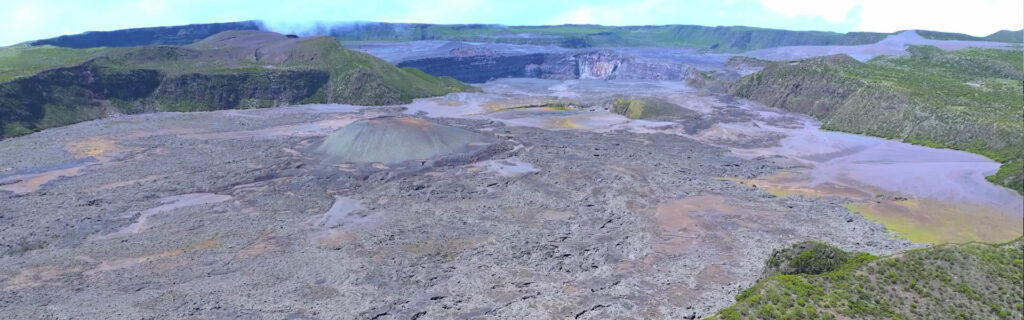
Mount Karthala, the giant of the Indian ocean
Rising to 2,361 metres above sea level, Mount Karthala is one of the largest active volcanoes on Earth.
Its immense caldera, dramatic volcanic landscapes and surrounding tropical forests make it one of the highlights of any trip to the Comoros.
Depending on your interests and fitness level, the ascent can be organised as a day hike or as part of a more challenging multi-day trekking experience.
Moroni, the heart of the archipelago
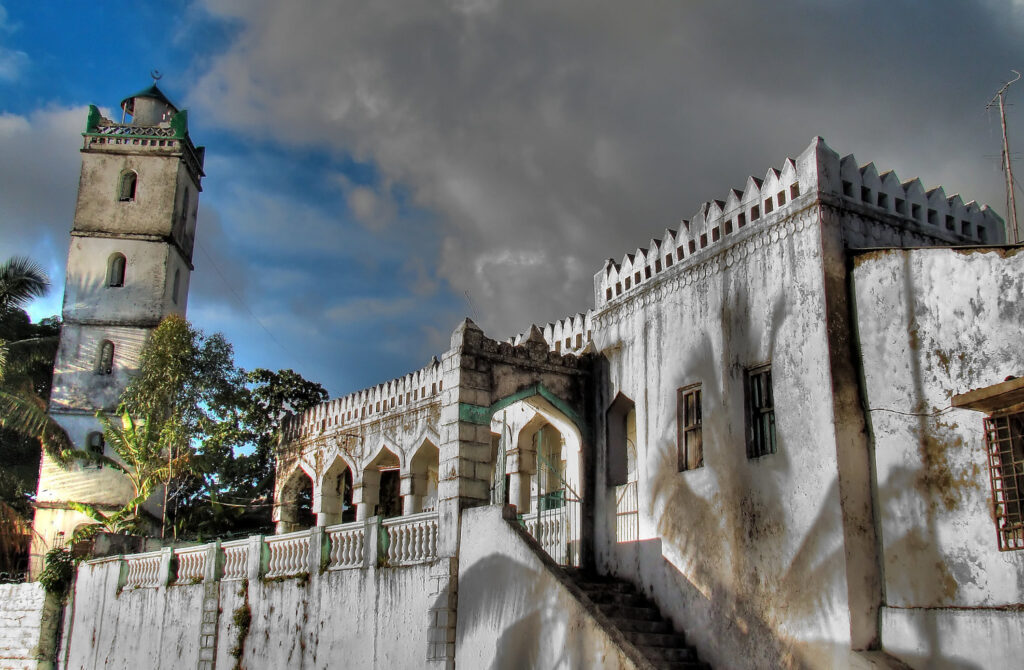
As the capital of the Comoros, Moroni is often visitors’ first introduction to the islands.
Its historic medina, bustling Volo-Volo market, oceanfront promenade and elegant mosques reflect the rich cultural heritage that has shaped the archipelago for centuries.
A stroll through the old town reveals layers of Swahili, Arab and African influences woven into everyday life.
The soul of the Comoros
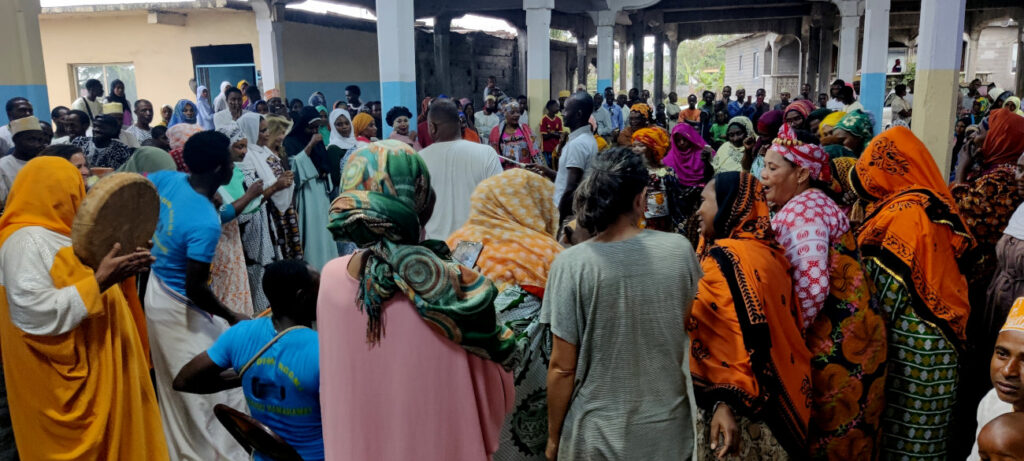
A journey through Grande Comore is also a journey into the heart of Comorian culture.
In villages across the island, traditions remain an important part of daily life.
Music, grand wedding ceremonies, local craftsmanship, traditional cuisine and the cultivation of ylang-ylang continue to shape the island’s identity.
For many travellers, these encounters become some of the most memorable moments of their stay.
Experiences in Grande Comore
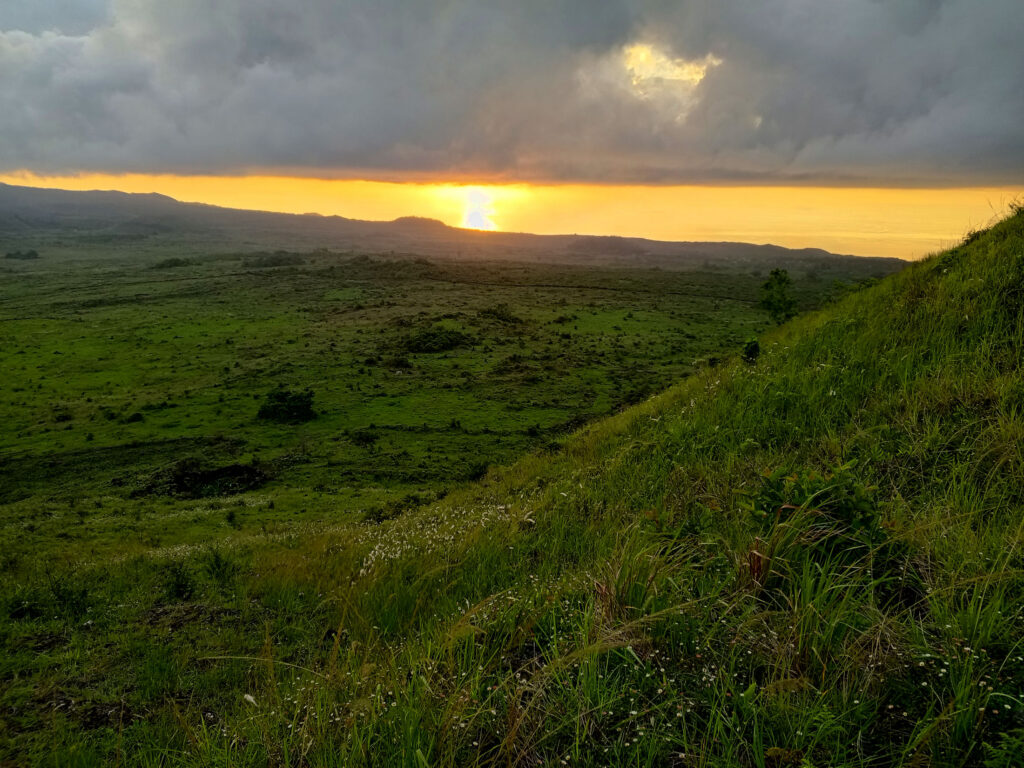
Diboini Plateau
An accessible hike to rise above the forests, villages and sea horizons.
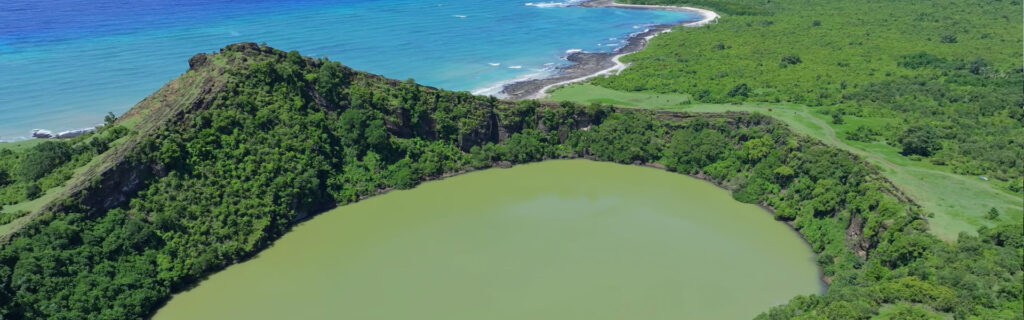
Northern Tour of Grande Comore
A scenic tour to explore the great landscapes of northern Ngazidja in half a day.
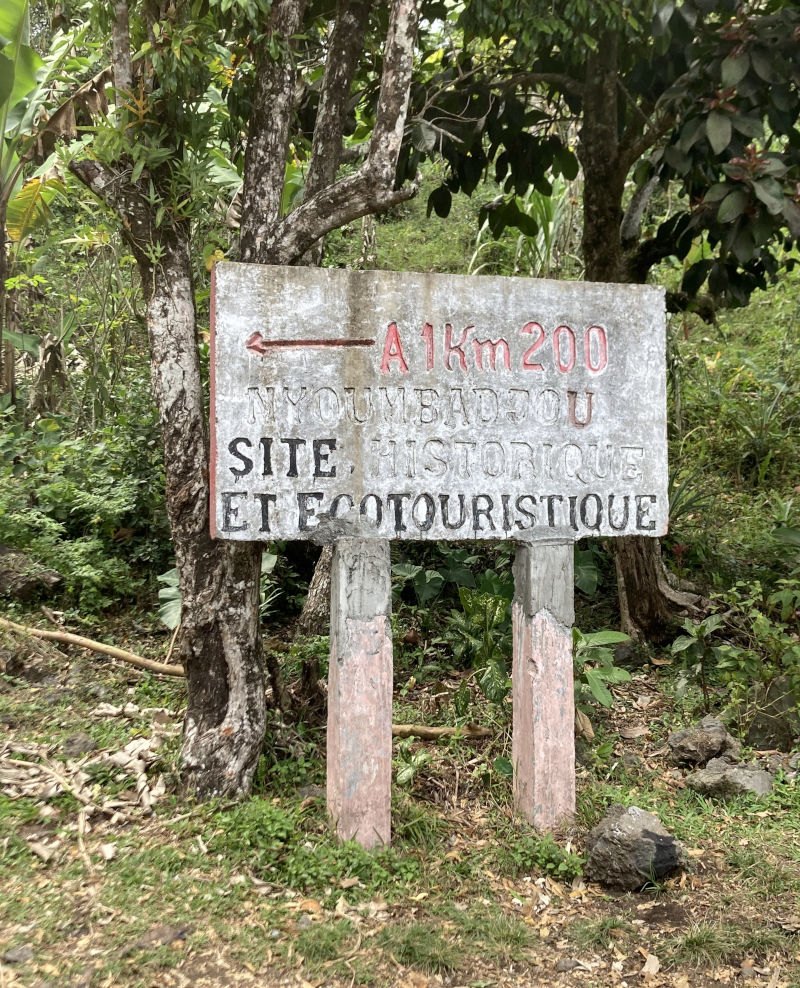
Nyumbadju
A short heritage visit to understand the history of Léon Humblot and his mark on the Hambou region.
Medina of Moroni
A guided visit of Moroni's historic centre, between alleyways, heritage and local life.
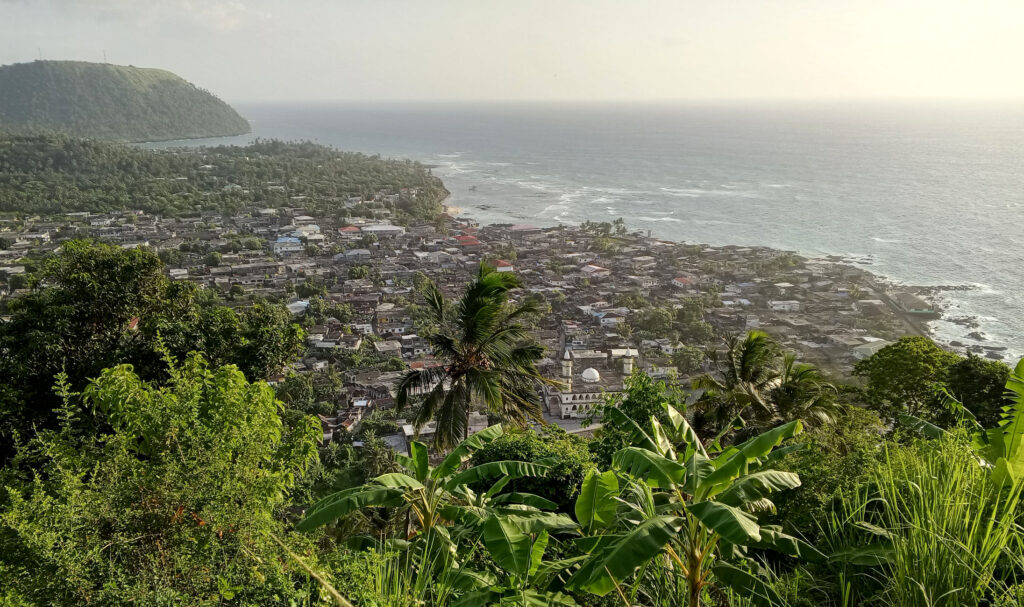
Medina of Iconi
Discover Iconi, a former capital of Grande Comore, and its cliff steeped in history.
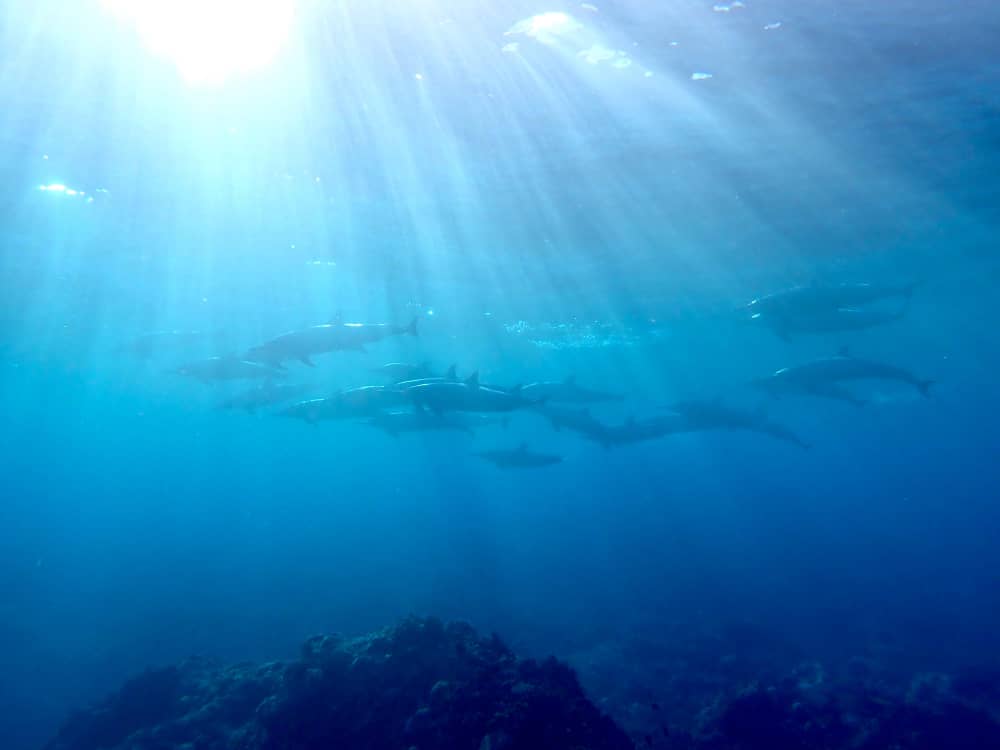
Dolphin Trip
A boat trip from Itsandra to watch dolphins in their natural environment.
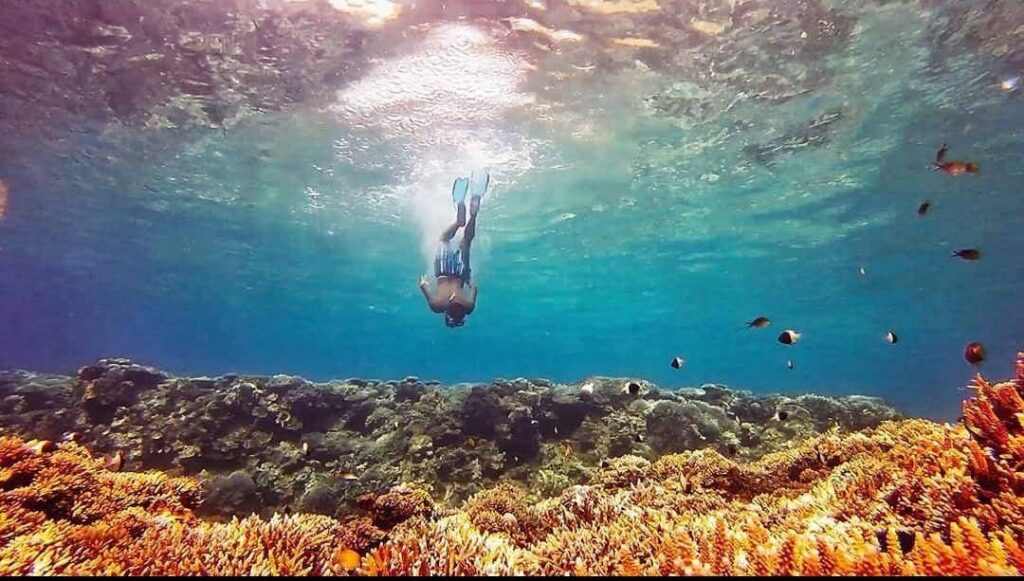
Raya Reef
A marine discovery with boat, guide and snorkelling included, departing from Itsandra.
Why start your journey in Grande Comore?
Grande Comore is the main gateway to the archipelago, home to both the international airport and the capital city of Moroni.
Even a short stay provides an excellent introduction to the diversity of the Comoros: an active volcano, historic medinas, pristine beaches, marine excursions and authentic cultural encounters.
Mohéli is renowned for its exceptional biodiversity and protected natural environments, while Anjouan captivates visitors with its mountains, waterfalls and fragrant spice plantations.
Together, the three islands offer complementary experiences, but Grande Comore is often the ideal place to begin your adventure.
Your comorian adventure starts here
Whether you're looking to discover the island's iconic highlights or venture off the beaten path, our team is here to help create a journey tailored to your interests and travel style.
Frequently asked questions
Planning a trip to Grande Comore?
Is Grande Comore worth visiting on its own?
Absolutely.
Many travellers initially see Grande Comore as a stopover before heading to Mohéli or Anjouan. In reality, the island offers an impressive variety of experiences: hiking an active volcano, exploring historic medinas, dolphin-watching excursions, pristine beaches, traditional villages and meaningful encounters with local communities.
For a one-week stay, it is entirely possible to focus solely on Grande Comore without ever running out of places to explore.
How many days should I spend on Grande Comore?
For a first visit, we generally recommend between five and seven days.
This allows enough time to explore Moroni, discover several regions of the island, enjoy marine excursions and dedicate a full day to Mount Karthala.
Travellers looking for a slower pace or a deeper exploration of the island can easily spend ten days or more.
Is Grande Comore a good destination for nature lovers?
Without a doubt.
Mount Karthala, high-altitude tropical forests, volcanic cliffs, wild coastlines and rich marine ecosystems create an exceptional diversity of landscapes within a relatively small area.
Hikers, photographers and wildlife enthusiasts are often surprised by how much natural beauty the island has to offer.
Should I also visit Mohéli or Anjouan?
If time allows, both islands are well worth visiting.
Mohéli is renowned for its marine biodiversity, sea turtles and protected natural environments, while Anjouan is famous for its mountains, waterfalls and fragrant spice plantations.
However, many visitors with limited time choose to focus on Grande Comore for their first trip, avoiding the logistics of inter-island travel while still experiencing the essence of the Comoros.
Is Grande Comore a crowded tourist destination?
Not at all.
The Comoros remain one of the Indian Ocean’s least-visited destinations.
It is common to visit a beach, a natural site or even an entire village without encountering another foreign traveller. This sense of exclusivity and authenticity is one of the reasons visitors fall in love with the islands.
Is it easy to get around Grande Comore?
Yes.
The island has a road network that provides access to most major attractions and points of interest.
Because Grande Comore is relatively compact, travel times are generally short, even though some secondary roads can be more rustic. For many travellers, this is part of the adventure and contributes to the feeling of exploring a destination that remains largely untouched by mass tourism.
Can I explore the island without a guide?
Yes, but travelling with a local guide often enriches the experience considerably.
Beyond practical assistance, guides provide valuable cultural and historical insights, facilitate interactions with local communities and introduce visitors to places, stories and traditions that are rarely found in guidebooks.
When is the best time to visit Grande Comore?
Grande Comore can be visited throughout the year.
That said, the period between May and November is generally considered the most comfortable for outdoor activities.
Weather conditions are often ideal for hiking, sightseeing and marine excursions, although each season offers its own atmosphere and unique advantages.
What type of traveller enjoys Grande Comore the most?
Grande Comore is particularly appealing to travellers looking for more than a traditional beach holiday.
The island attracts curious explorers, nature lovers, photographers, hikers, cultural enthusiasts and anyone seeking authentic destinations where human encounters are just as memorable as the landscapes themselves.